Expert System for Detection and Grading of Depression in Youngsters
Project Description
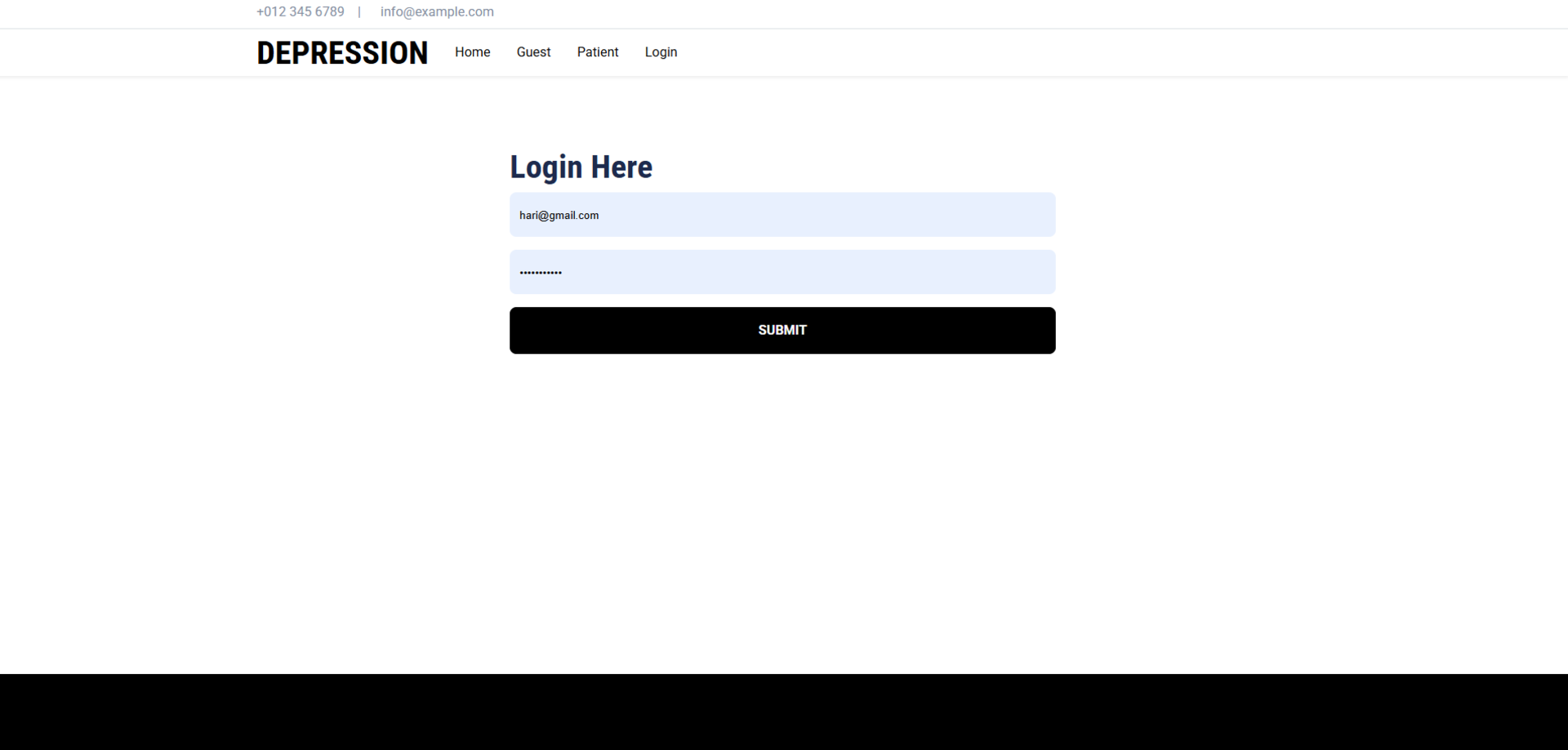
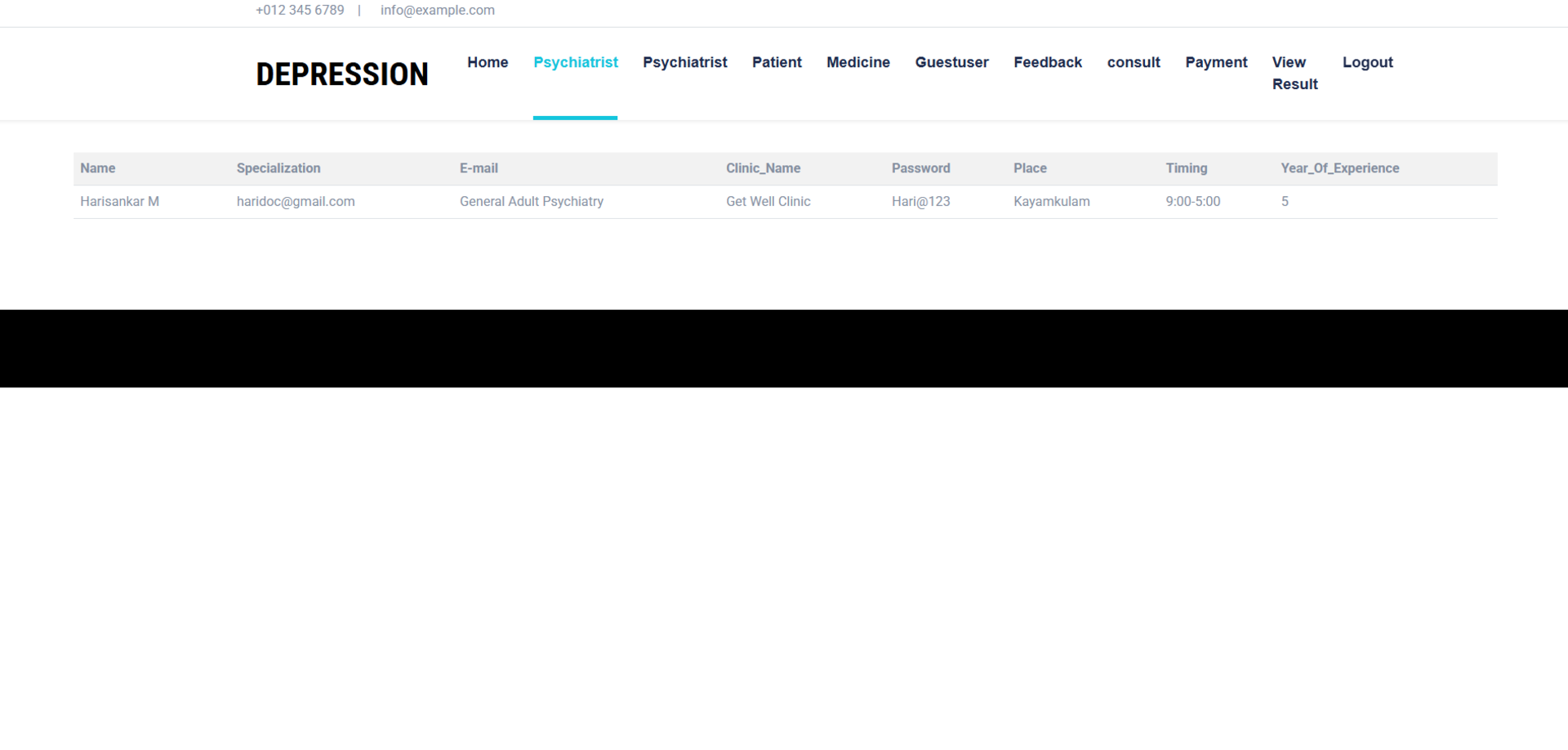
This project presents a multi-modal expert system designed to detect and assess depression levels in young individuals, using advanced AI techniques and a three-tiered user structure: Patient, Doctor, and Admin.
The system leverages real-time data through a combination of:
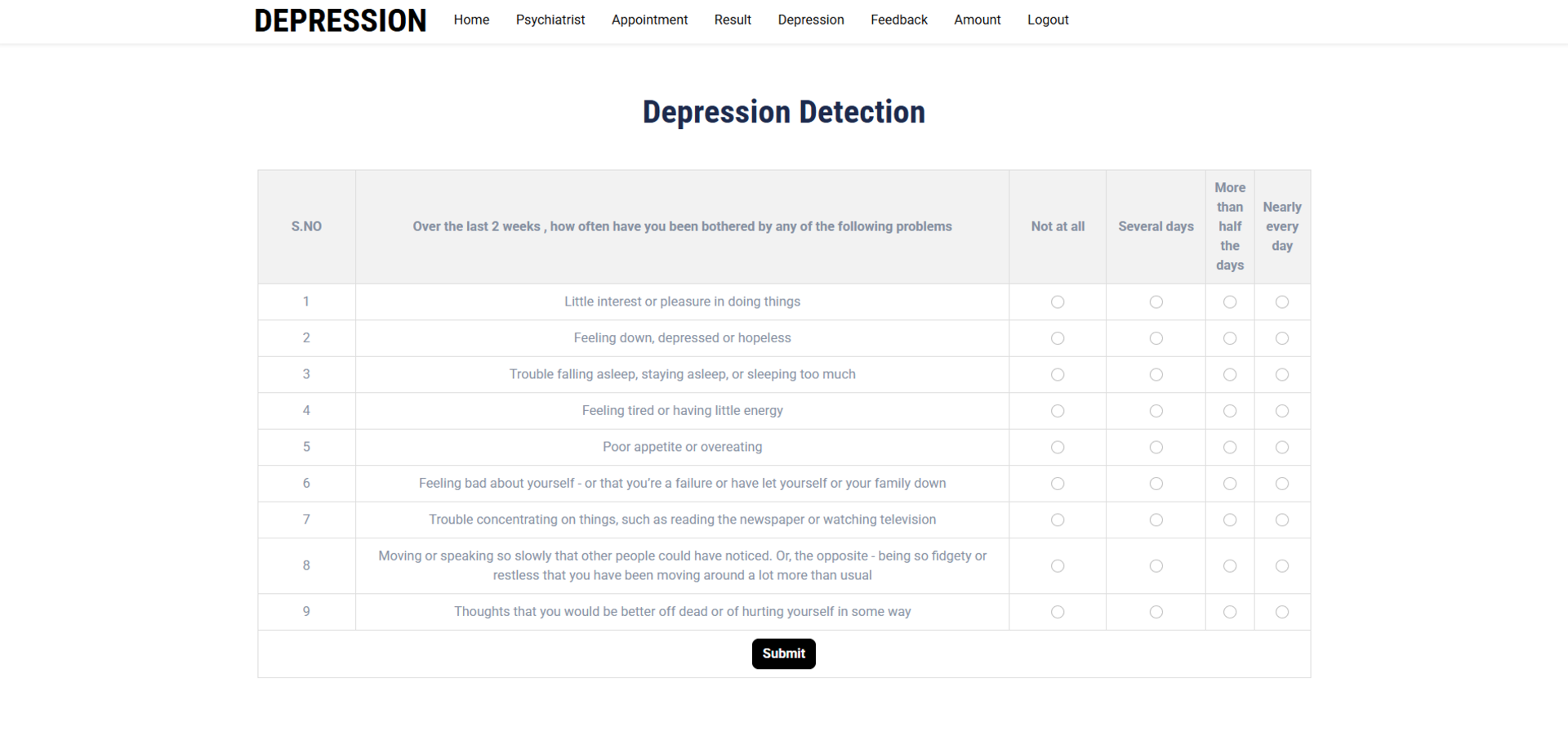
- PHQ-9 questionnaire analysis
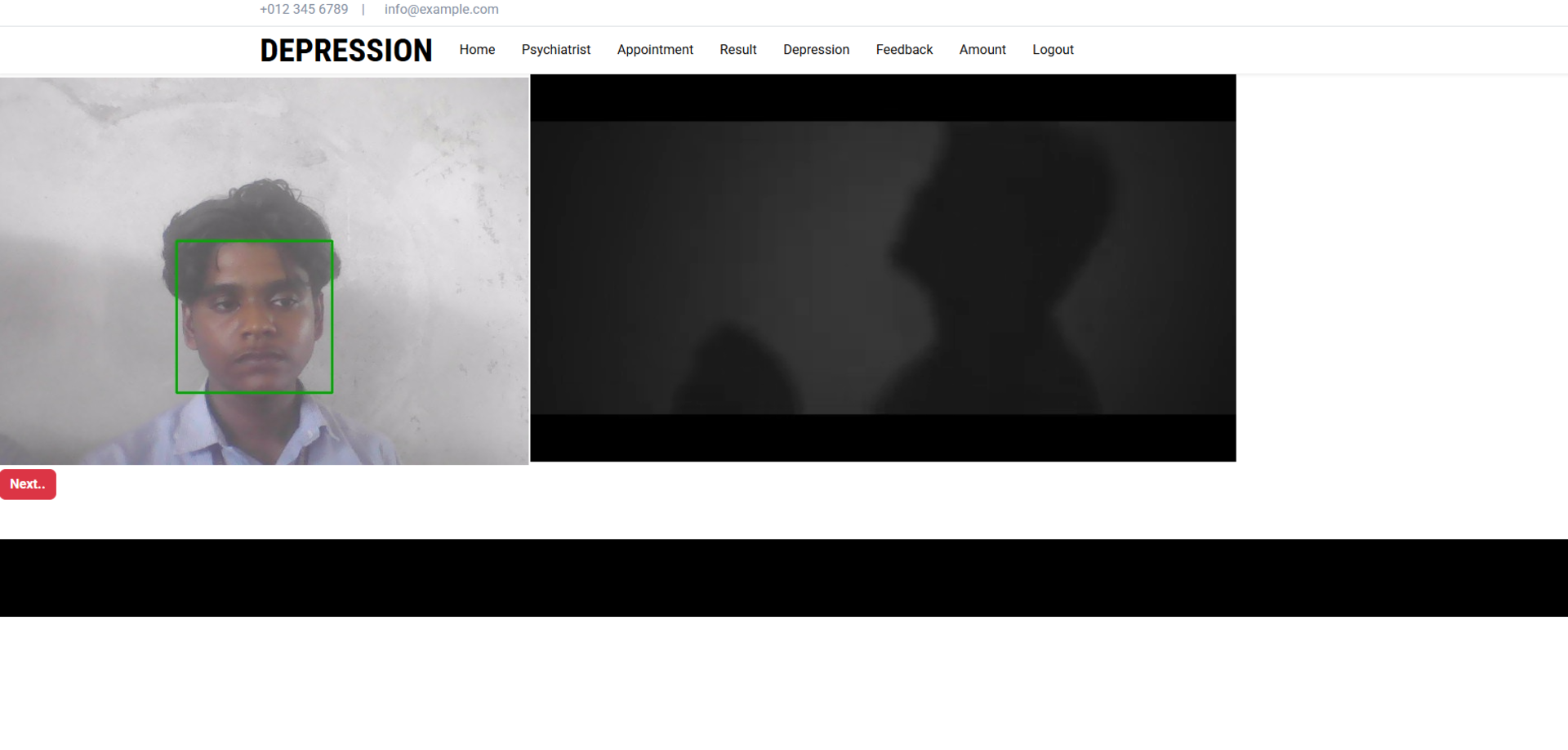
- Facial emotion recognition from video inputs
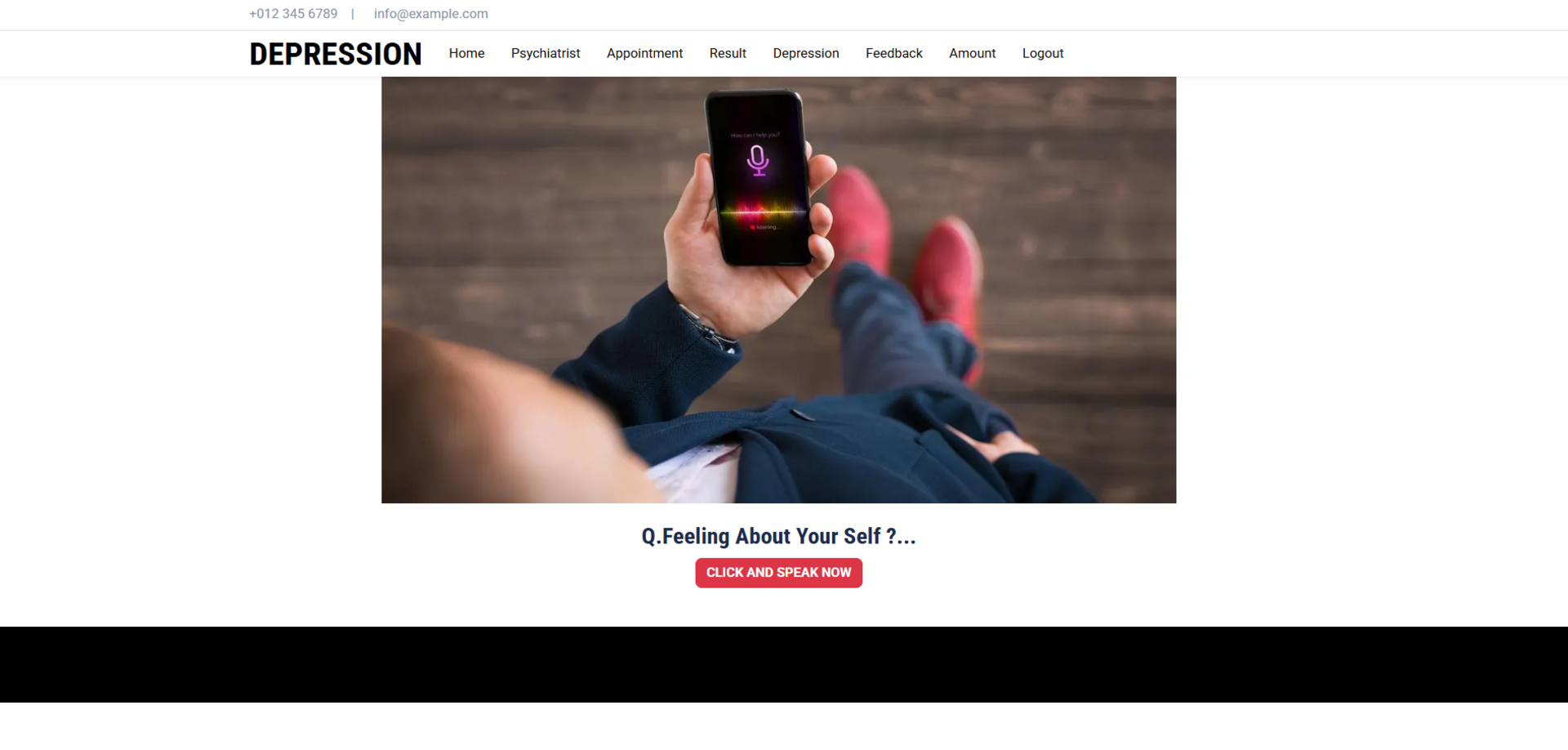
- Audio sentiment analysis
The depression detection model is built using Convolutional Neural Networks (CNN) and Bidirectional LSTM, trained on the FER-2013 dataset and refined using insights from the DAIC-WOZ corpus. A guided triggering video is used to evoke emotional responses, followed by verbal feedback analysis, offering a more holistic approach to mental health evaluation.
Multi-User Architecture
Patient Side
- Take PHQ-9 depression test + video/audio input analysis
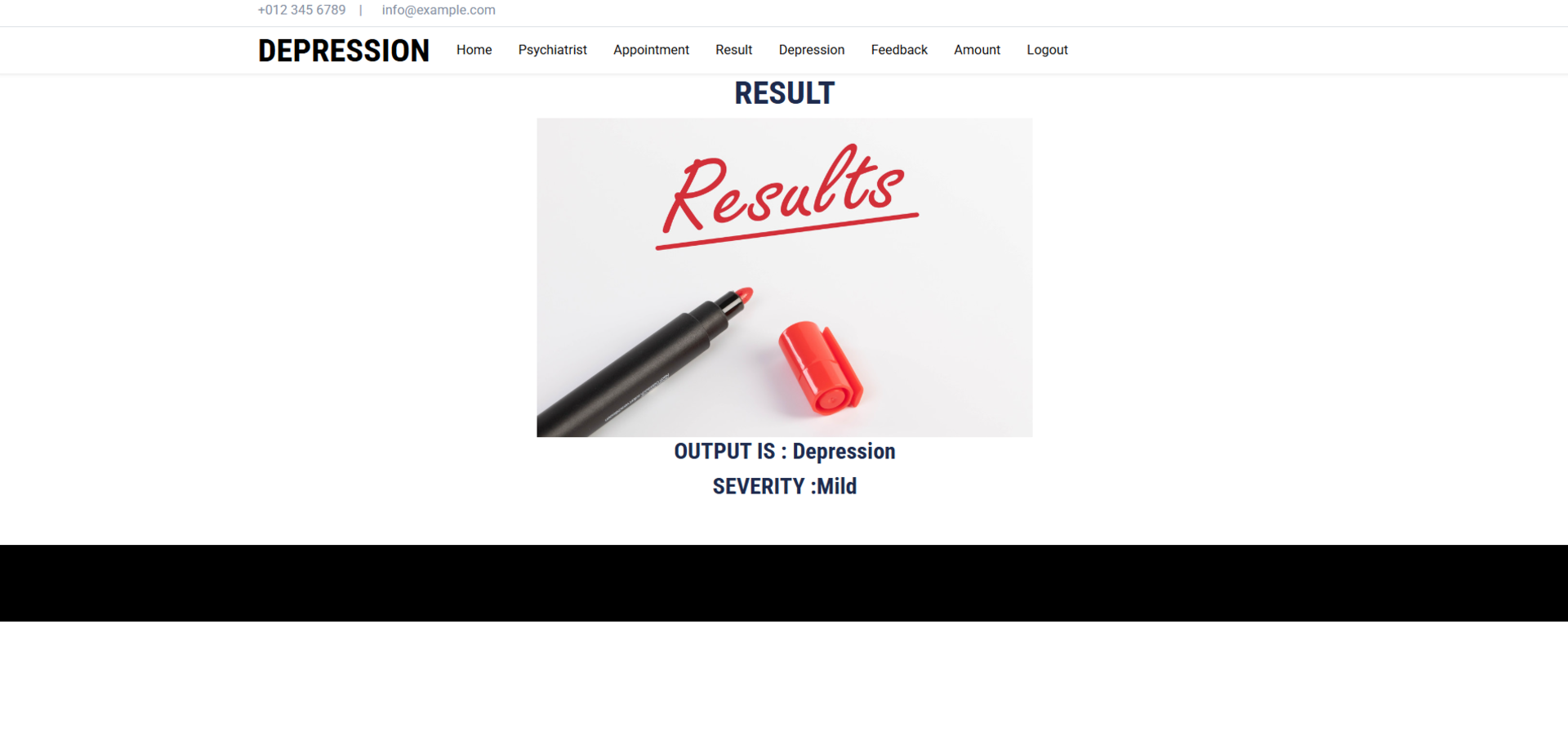
- View test results and depression severity grading
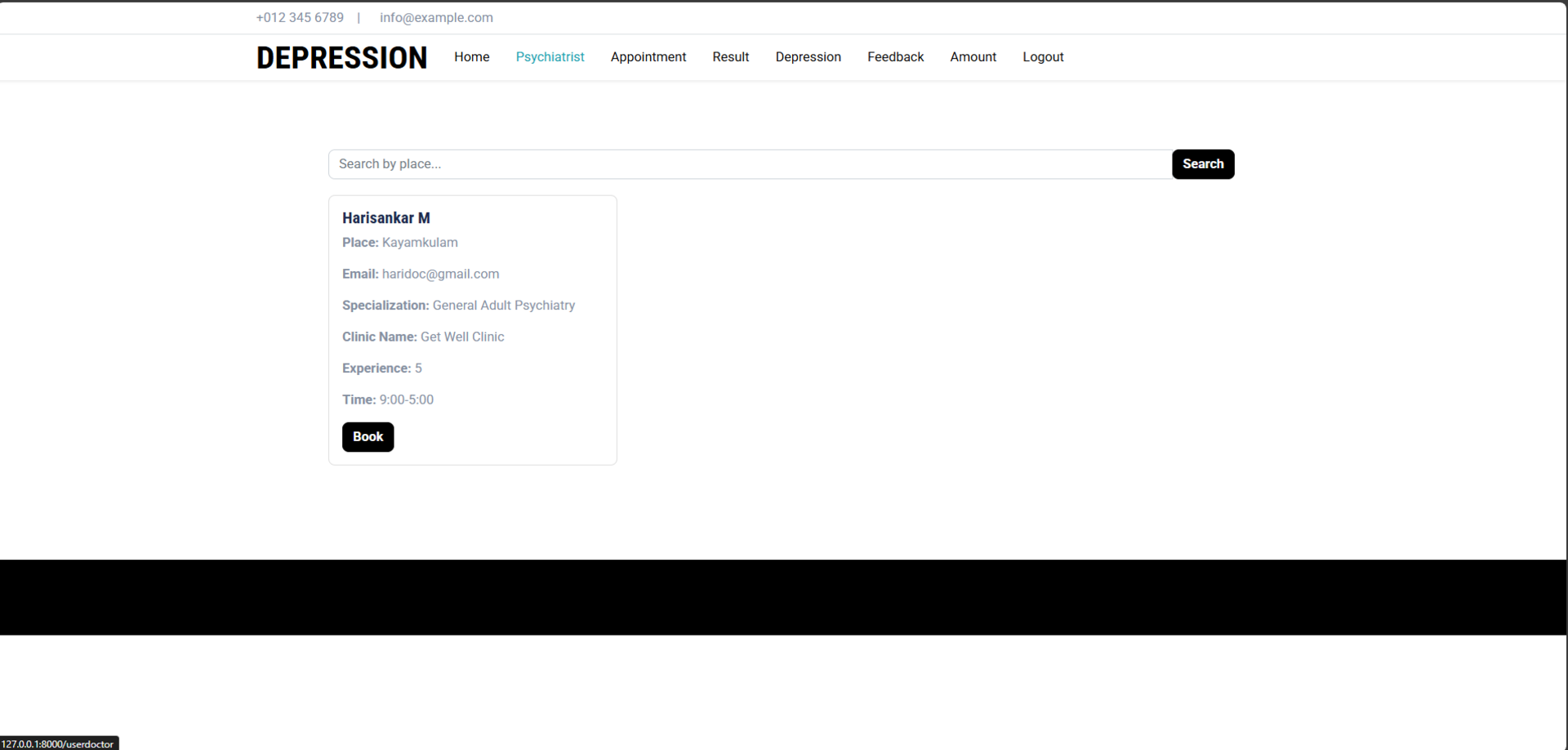
- Book appointments with available doctors
- Receive digital prescriptions
- Pay consultation fees via integrated billing
Doctor Side
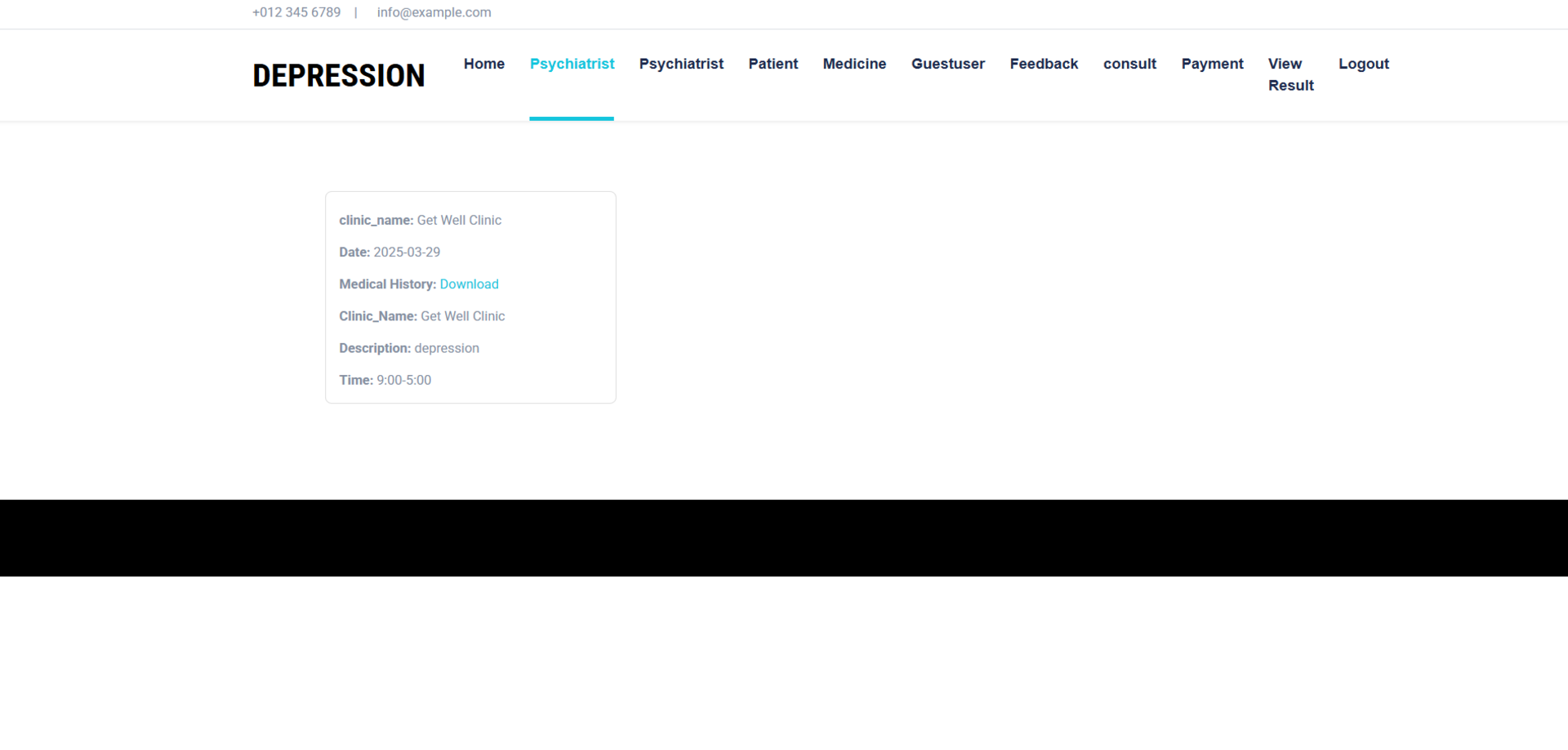
- View upcoming appointments
- Access patient test results and emotional analysis
- Track billing and payment status
- Manage individual patient records
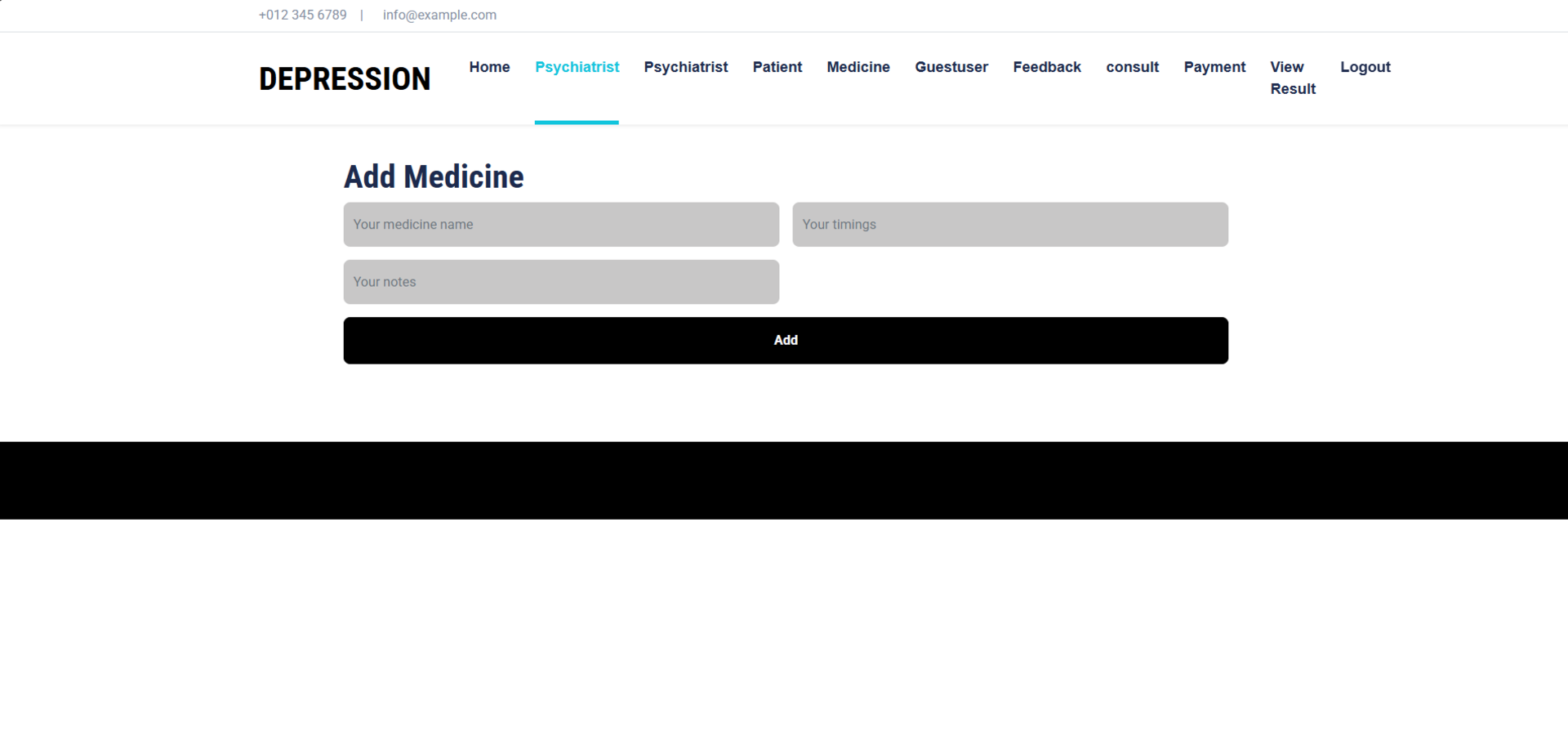
- Prescribe medicine directly through the system
Admin Panel
- Full system control and monitoring
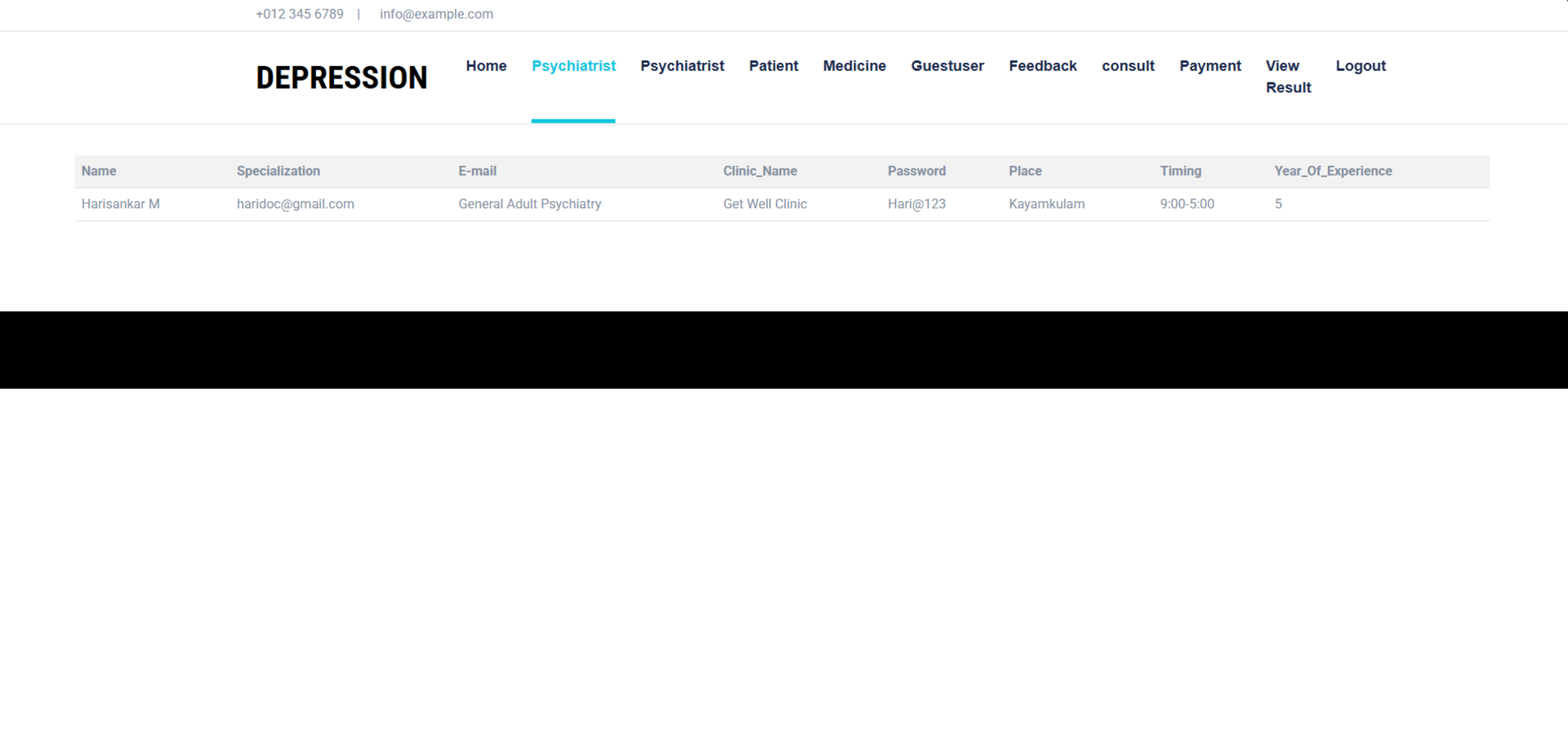
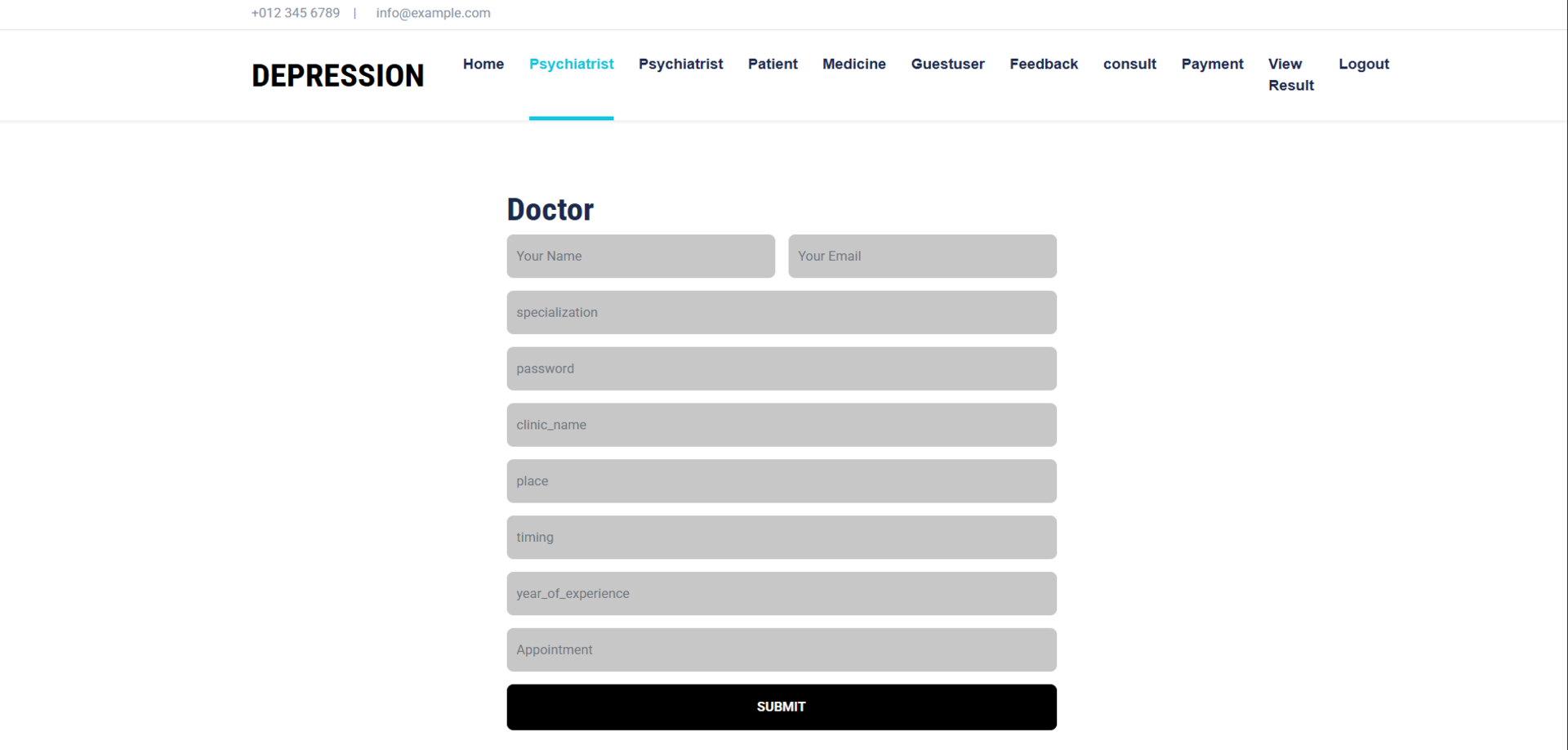
- Manage users, doctors, appointments, and analytics
- Oversee testing data, billing, and prescription history
Key Features
Real-time Analysis
Comprehensive depression detection using facial, audio, and questionnaire inputs
AI-Powered
Advanced analysis with CNN + BiLSTM models for accurate assessment
Emotion AI
Sentiment and emotion recognition pipeline for deeper insights
Smart Prescriptions
Dynamic prescription system tailored to patient needs
Workflow Automation
Seamless end-to-end appointment and billing workflow
Secure Access
Role-based access control ensuring security and privacy
Impact
This project combines AI, psychology, and system design to provide a practical tool for early detection of depression in educational and clinical environments, improving both accuracy and accessibility over traditional self-assessment methods.